

 Max Hospital, Vaishali, Gaziabad
The Role of Tobacco and Alcohol in Mouth Cancer
Dr Sowrabh Arora, a top head and neck surgeon and cancer doctor with more than 20 years of experience, talks about how much tobacco and alcohol contribute to mouth cancer. He's the Senior Director of Surgical Oncology at Max Super Speciality Hospital in Vaishali and Patparganj. Dr Arora is really good at head and neck cancer surgery.
Here's How Tobacco Can Cause Mouth Cancer
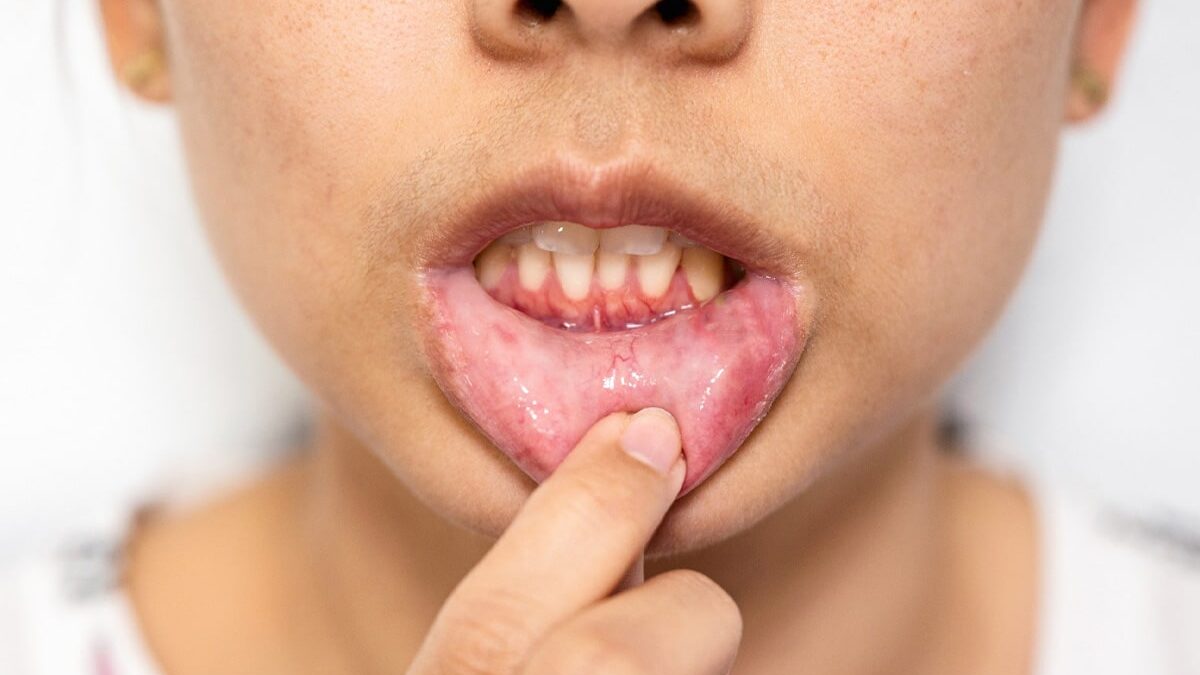
The use of any kind of tobacco product, whether it be in the form of smoking or chewing, significantly increases the risk of mouth cancer. The chemical substances present in tobacco are so harmful that they affect the mouth, and in turn, the tumours will grow. The heat from smoking also plays a part, as it will always irritate and inflame the mouth, thereby increasing the risk of cancer even more.
Smoking is bad for your mouth
- Tobacco contains so much harmful stuff that it can kill the cells in your mouth.
- Smokers are more likely to get mouth cancer because their mouths suffer from the pain and inflammation caused by smoking.
The combined effect of smoking and drinking increases the risk of mouth cancer significantly. Each of these habits separately causes the mouth cells to suffer, but together they are extremely damaging. Moreover, the risk of developing mouth cancer for heavy smokers and drinkers is much higher than for those who do one or the other in moderation.
Key Points:
- Tobacco and alcohol together cause a higher risk of mouth cancer.
- Individuals consuming both the above-mentioned substances are more prone to getting mouth cancer.
Tobacco: A Primary Culprit
The use of smokeless tobacco such as gutkha, khaini, and paan is a direct cause for buccal mucosa cancer, which is the inner side of the cheeks and lips. The primary effect that smoking has is the unavoidably carcinogenic chemical compounds that not only affect the DNA but also encourage the formation of abnormal cells in the mouth. Portraying the whole picture, the obsessive consumption leads to inflammation, precancerous changes, and finally cancer.
Alcohol: A Strong Cofactor
Even low alcohol consumption—9 grams/day (approximately one standard drink)—can increase the risk of oral cancer by 50%, and that is especially true for locally produced spirits.
Mouth-smoking carcinogens are solubilised by alcohol; thereby, nicotine gets absorbed through the mouth.
Additionally, the mucosa gets destroyed, and so it is more likely to go through change and become cancerous.
Combined Use = Exponential Risk
The case of mouth cancer in India has been predominantly attributed to a double whammy of alcohol and chewing tobacco, a great study in BMJ Global Health revealing that 62% of the cases were linked to the two vices.
When both products are consumed, the risk is the highest, even if it is a very small quantity.
Basically, tobacco and alcohol are the most significant factors that are linked to mouth cancer, and there is no argument about it. They have a powerful effect on the mouth cells, and the chance of getting cancer increases enormously. All this information is vital for you to make the right decisions regarding smoking and drinking and to keep the health of your mouth in good condition.
Latest Blog
-
31 Dec 2025
The Role of Tobacco and Alcohol in Mouth Cancer
-
-
-
-
-
-

-

-

-
-
24 March 2024
Understanding Head and Neck Cancers: An In-Depth Look

-
